
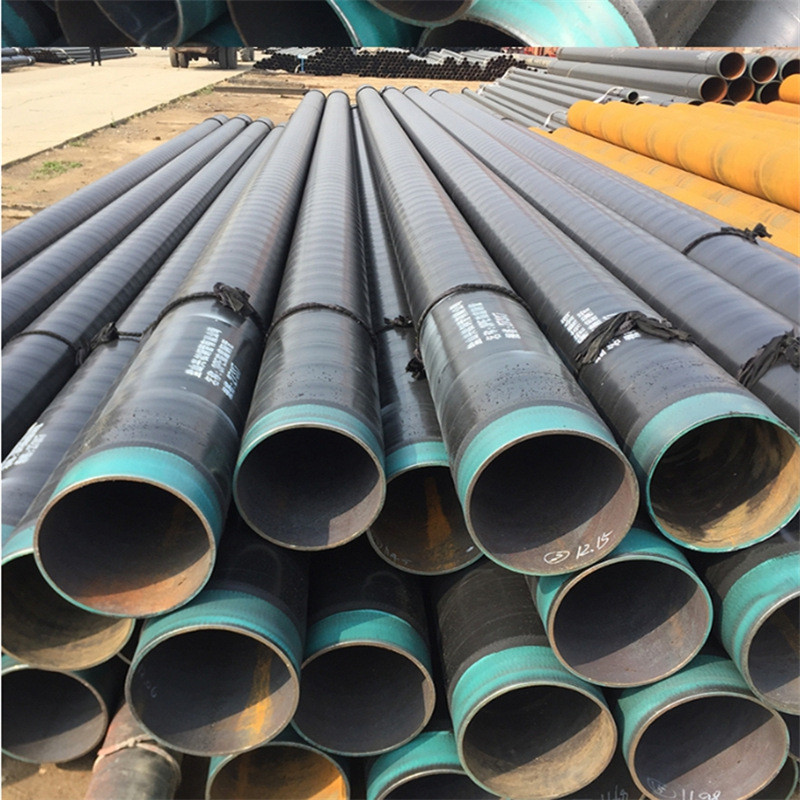
Deformed bars, also known as ribbed bars or deformed steel reinforcement bars, play a crucial role in the construction industry by providing enhanced bonding strength to concrete structures. These bars feature surface ribs or patterns designed to improve adherence within concrete, ensuring structural integrity and longevity. As urban development accelerates, the demand for high-quality deformed bars increases, underlining the importance of reliable manufacturers committed to quality and service.
### Understanding the Types of Deformed Bars
Deformed bars come in several types depending on their manufacturing process, shape, size, and rib configuration. Understanding these types helps engineers and builders select the appropriate steel reinforcement tailored for different construction needs.
1. **Hot Rolled Deformed Bars:**
The most common type, hot rolled deformed bars, are produced by rolling steel at high temperatures. The surface of these bars showcases a pattern of ribs and lugs that create a mechanical bond with concrete. These bars are valued for their strength, ductility, and cost-effectiveness. They come in various diameters and tensile strengths, suitable for everything from residential buildings to bridges.
2. **Cold Twisted Bars:**
Cold twisted deformed bars are manufactured by twisting round bars at room temperature. This process increases the surface hardness and provides a deformed pattern by twisting, enhancing the mechanical interlocking with concrete. While effective, these bars are less common nowadays due to the advent of hot rolled bars, which generally offer better performance and ductility.
3. **Epoxy-Coated Deformed Bars:**
To resist corrosion, especially in environments prone to moisture or chemical exposure, some deformed bars receive an epoxy coating. This protective layer prolongs the lifespan of concrete structures by preventing rust formation on the reinforcement bars, which can otherwise weaken the structure.
4. **Stainless Steel Deformed Bars:**
For projects requiring the highest corrosion resistance, stainless steel deformed bars are used. These are especially suitable for marine constructions, chemical plants, and environments with aggressive conditions. Though more expensive, their durability and low maintenance requirements justify the cost in critical applications.
5. **GFRP (Glass Fiber Reinforced Polymer) Bars with Deformed Surface:**
While not steel, GFRP bars with ribbed patterns serve as alternatives to steel reinforcement in non-load bearing or corrosion-sensitive situations. Their lightweight, corrosion resistance, and ease of installation make them promising in specific niches, although traditional steel bars dominate the market.
### Quality and Service Commitment from Jinan-Based Steel Manufacturer
Located in Jinan City, Shandong Province, one prominent steel manufacturer has been at the forefront of producing high-quality steel bars, pipes, and plates. With a product range that caters extensively to the construction and infrastructure sectors, the company places a strong emphasis on customer service and product quality.
Their enterprise philosophy is succinct yet powerful: *“Sincerely serve every customer well.”* This commitment extends beyond mere business transactions to building lasting relationships based on trust, reliability, and professionalism.
When it comes to ensuring delivery and quality, the company adheres strictly to its service quality benchmarks, aiming to achieve 100% in three critical performance indicators:
- **Delivery Quantity 100%:** The company guarantees that customers receive the exact quantity of steel bars ordered, a vital consideration during large-scale construction projects where material shortages can cause costly delays.
- **Delivery Time 100%:** Timeliness is essential in construction to maintain schedules and avoid penalties. The company’s logistics and supply chain operations are optimized to ensure on-time delivery without compromise.
- **Product Quality 100%:** Quality assurance is non-negotiable. The company implements rigorous testing and quality control procedures during every stage of manufacturing. From raw material selection to final inspection before dispatch, the integrity and performance of every deformed bar are verified to meet national and international standards.
### Why Choosing the Right Deformed Bar and Supplier Matters
The choice of deformed bars significantly influences the durability and safety of reinforced concrete structures. Inferior quality or inappropriate types of bars can lead to cracking, reduced bonding strength, and ultimately structural failure. On the other hand, high-quality deformed bars manufactured by reliable suppliers provide:
- Superior tensile strength and flexibility
- Improved bonding with concrete through ribbed patterns
- Resistance to environmental degradation such as corrosion
- Enhanced safety and longevity of constructions
Selecting a trusted steel manufacturer that guarantees product quality and delivery commitments is equally critical. This company’s dedication to 100% fulfillment across quantity, delivery time, and quality ensures that projects proceed smoothly from foundation laying to final completion.
### Conclusion
The construction industry depends heavily on the consistent performance of deformed bars as critical reinforcement components. Understanding the types available—from hot rolled to epoxy-coated and stainless steel options—enables engineers and builders to make informed choices tailored to specific environmental and structural requirements.
Additionally, partnering with a steel manufacturer based in Jinan City, Shandong Province, with a strong reputation for sincerity in service and rigorous quality assurance, helps mitigate risks related to supply and product failure. Their commitment to achieving 100% in delivery quantity, delivery time, and product quality exemplifies best practices in the steel supply chain and supports the construction sector’s goals of safety, efficiency, and sustainability.
With ongoing advancements and strict adherence to quality standards, deformed bars will continue to remain fundamental in shaping the resilient infrastructure of tomorrow.